Make an online booking here:
Book NowCertain mushrooms are becoming well-known for their effect on improving the immune system, and now there is growing evidence that they may be effective in the prevention and treatment of cancer. An article by the Medical Director of a hospital in the UK has reported a few examples of this research.
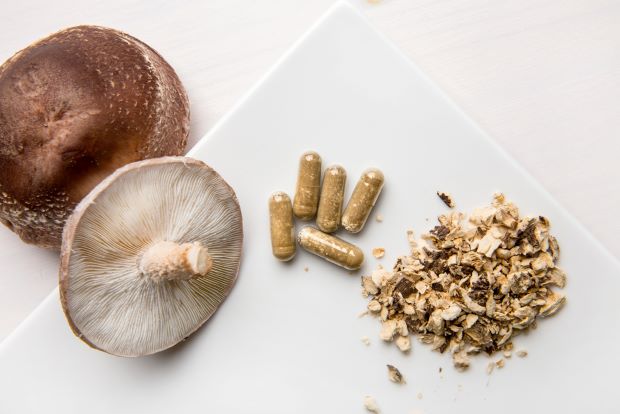
A study was conducted on 30 patients who were diagnosed with chronic fatigue. They were all found to have high antibody levels for Epstein–Barr virus (EBV) and/or human herpes virus 6 (HHV6) or Cytomegalovirus (CMV), so were or had been infected by these viruses. The level of natural killer (NK) cells was low in these patients, and NK calls represent the first line of defence against cancer cells and viral infections. However, after taking a Coriolus versicolor mushroom product for 60 days, their NK levels increased by a massive 35% So this species of mushroom could potentially be an effective treatment for both chronic fatigue and cancer.
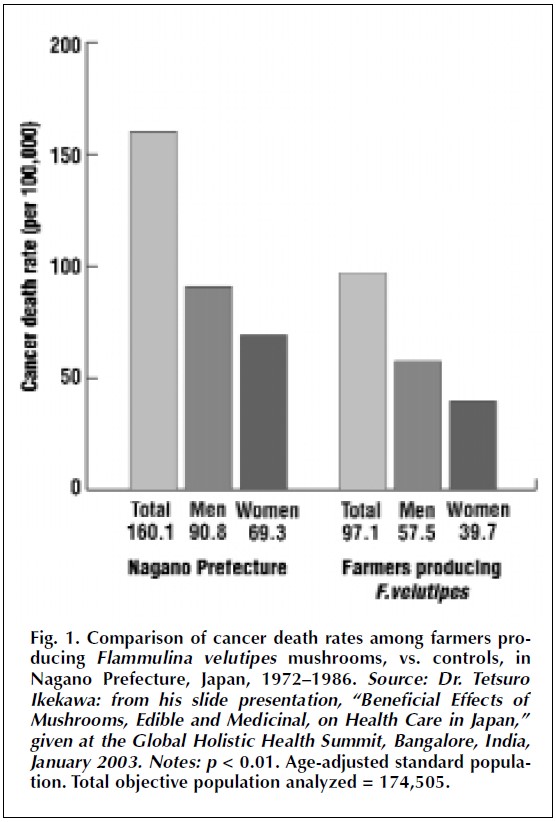
Another study found the edible mushroom Flammulina velutipes to have cancer-prevention effects. A 15 year epidemiological study of 174,505 individuals was conducted in the Nagano area of Japan, where the mushroom is grown. The study compared the cancer death rates of farmers who grew the mushroom with those of a control group, the assumption being that the farmers would eat some of the mushroom they grew. Results showed a cancer death rate in the control group of 160 per 100,000, compared with 97 per 100,000 among the mushroom farmers. (So the control group were 65% more likely to die of cancer than the farmers.)
In addition, the National Cancer Center Research Institute of Japan has established that the basidiomycetes group of edible mushrooms can have anti-cancer activity.
Whilst none of these or the many other studies are able to prove conclusively that cancer can be successfully treated with mushrooms, the right type of mushrooms can certainly improve the immune system, which in turn may help reduce the risk of cancer developing, or possibly act as a treatment. The varieties of mushrooms that have been shown to have this effect may one day become a significant weapon against this disease.
*Please note: Taking any supplement, herb or food should never be a reason not to have regular medical treatment for a serious condition, including cancer.
Always consult with a highly trained and experienced health professional before undertaking a course of supplementation that could make a significant difference to your health.
We are currently offering a limited number of free Comprehensive Assessments. (Terms and conditions: the Assessment is a completely free service, with no obligations whatsoever.)
The Assessment helps to identify:
If you would like to book in for an Assessment, please give us a call on 3376 6911, or you can book online using the link at the top of the page.
Be well, and have a great life!
An international collaboration, led by the University of Melbourne and Deakin University, has stated that evidence is rapidly growing that there is a strong connection between diet quality and mental health.

In an article published in The Lancet Psychiatry, leading academics stated that psychiatry should now recognise and embrace diet and nutrition as key factors in mental health.
Lead author, Dr Jerome Sarris from the University of Melbourne and a member of the International Society for Nutritional Psychiatry Research (ISNPR), said psychiatry is at a critical stage, as the existing treatments have only resulted in modest benefits.
“While the determinants of mental health are complex, the emerging and compelling evidence for nutrition as a key factor in the high prevalence and incidence of mental disorders suggests that nutrition is as important to psychiatry as it is to cardiology, endocrinology and gastroenterology,” Dr Sarris said.
“In the last few years, significant links have been established between nutritional quality and mental health. Scientifically rigorous studies have made important contributions to our understanding of the role of nutrition in mental health.”
The review showed that nutrient-based prescriptions have the ability to assist in the management of mental disorders. Studies show that many different nutrients have a clear link to brain health, including omega-3s, B vitamins (particularly folate and B12), choline, iron, zinc, magnesium, S-adenosyl methionine (SAMe), vitamin D, and amino acids.
“While we advocate for these to be consumed in the diet where possible, additional select prescription of these as nutraceuticals (nutrient supplements) may also be justified,” Dr Sarris said.
Associate Professor Felice Jacka, a Principal Research Fellow from Deakin University and president of the ISNPR noted that many studies have shown associations between healthy dietary patterns and a reduced level of depression and suicide.
“Maternal and early-life nutrition is also emerging as a factor in mental health outcomes in children, while severe deficiencies in some essential nutrients during critical developmental periods have long been implicated in the development of both depressive and psychotic disorders,” she said.
A systematic review published in late 2014 has also confirmed a relationship between ‘unhealthy’ dietary patterns and poorer mental health in children and adolescents.
Naturopaths have long been aware of the importance of diet and nutrition to treat and prevent a broad range of mental health issues, including anxiety, depression, high stress, sleep problems, brain fog, cognitive decline, etc. A top naturopath will be aware of all of the latest research, and will be highly skilled in the treatment of these and other mental and emotional disturbances with diet and nutrients. Rather than just advise a collection of recommended nutrients, they will individually assess each person and tailor a particular prescription just for them.
For more information on the article, visit https://www.sciencedaily.com/releases/2015/01/150129104217.htm .
If you are having any mental or emotional difficulties, we offer a free Comprehensive Assessment, to help identify
(Terms and conditions: the Assessment is a completely free service, with no obligations whatsoever.)
If you would like to book in for an Assessment, please give us a call on 3376 6911, or you can book online using the link at the top of the page.
Be well, and have a great life!
An extensive study by the University of Helsinki has found that one in four people in Europe use natural therapies (or ‘complementary and alternative medicine’) for their health issues.
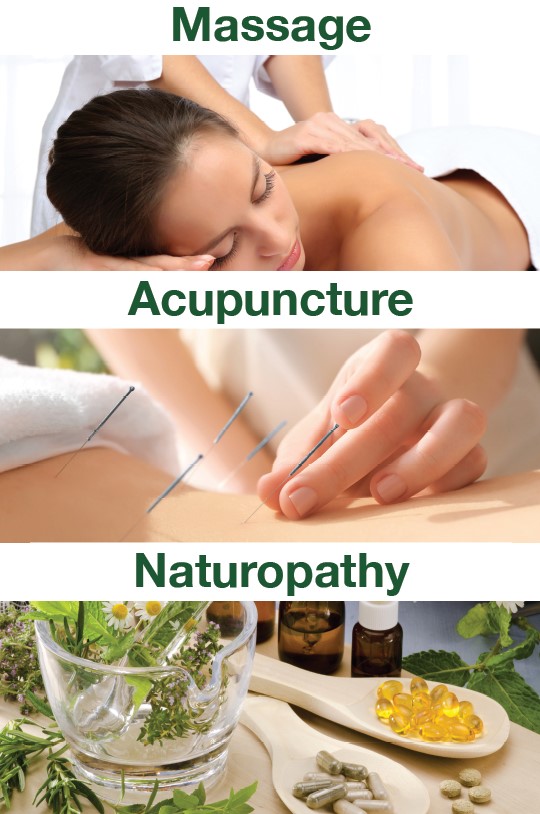
Approximately 40,000 people from over 20 countries participated in the study, and the most popular treatments were massage (12%), homeopathy (6%), osteopathy (5%), and herbal remedies (5%).
The study found that women and those with higher education used natural therapies the most. Germany had the highest proportion of users, with almost 40% saying they used natural therapies.
With any health issue, in order to get results it is crucial to first investigate the cause of the problem. We are currently offering a limited number of free Comprehensive Assessments. (Terms and conditions: the Assessment is a completely free service, with no obligations whatsoever.)
The Assessment helps to identify:
If you would like to book in for an Assessment, please give us a call on 3376 6911, or you can book online using the link at the top of the page.
Be well, and have a great life!

Last year it was estimated that around 400,000 Australians suffer from dementia, and this number is expected to double by 2058.There is no effective treatment using pharmaceutical drugs, however there have been a number of studies showing the effectiveness of natural therapies for this condition.
One study, showed that increasing your magnesium intake is likely to “lead to less age-related brain shrinkage, which is associated with better cognitive function and lower risk of delayed onset of dementia in later life”. See more on this study by following the link below.
Magnesium plays an essential role in nerve transmission and nerve-muscle interaction. It also protects nerves against excessive stimulation, which can damage or even kill nerve cells, and cause many types of neurological disorders. Due to its importance to the nervous system, research continues to be conducted on its role in preventing or treating migraines, chronic pain, epilepsy, Alzheimer’s, Parkinson’s, stroke, epilepsy, anxiety and depression.
If you have a health issue, or have a family history of a health problem and want to prevent it, we offer a free Comprehensive Assessment, to see what is going on in your body, what is causing the problem, and the best way to treat or prevent it. (Terms and conditions- the Assessment is a completely free service, with no obligations whatsoever.)
Be well, and have a great life!
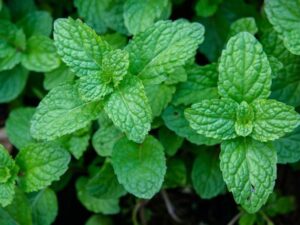
Peppermint tea is a common herbal tea that many people drink, including those trying to become more healthy by staying away from tea and coffee. However, even though it is natural and used by any people it is not necessarily good for you.
Peppermint tea has my benefits, including
However, as with any foods that have a strong flavour, too much can be a bad thing. Because of its actions of cooling and relaxing the stomach and intestines, regular use of peppermint can result in a weakened and ‘cold’ digestive system, causing symptoms such as
So peppermint is best used when it is needed, and not on a regular basis.
The human body is very complex, so we treat a very broad range of conditions. The following is a list of some of the conditions clients came to us for in a single week.

If you have a health issue and you would like to find out if we can help you, you can book in for a free Comprehensive Assessment. The Assessment will look at what is going on in your body, what is causing any problems, and the best way to resolve them. (Terms and conditions- the Assessment is a completely free service, with no obligations whatsoever.) Have a great life!
 A young Australian man who was critically ill with COVID-19 and suffering early stages of sepsis made a remarkable recovery after being given massive doses of vitamin C.
Sepsis is a life-threatening condition which results from the body damaging its own organs trying to fight an infection. It was starting to take hold of his body, and his time was running out. Professor Rinaldo Bellomo, director of Intensive Care at Melbourne’s Austin Health, said the 40-year-old’s health had started to deteriorate significantly from COVID-19, with the man losing kidney function, and his blood pressure plummeting.
The man was given an initial dose of 30 grams of vitamin C over 30 minutes, then 30 grams over six and a half hours. “This is the equivalent of 5,000 oranges pumping through his veins,” Professor Bellomo said. An over-the-counter vitamin C supplement is 500mg, meaning this megadose was 60 times the normal dosage,
Sepsis is the most common cause of death in intensive care units, and a common cause of death for people gravely ill with COVID-19.
Professor Bellomo said after the patient had the megadose of vitamin C, the changes were “‘remarkable”. “In a short period of time, we saw improved regulation of blood pressure, arterial blood oxygen levels and kidney function,” he said. His temperature also improved.
A 2020 review of scientific evidence published in the Journal of the American Medical Association found high dose vitamin C given on its own or with steroids did not provide “significant survival benefit” for patients with sepsis or septic shock. However, Professor Bellomo said the previous trials used a lower dose of vitamin C; the amount in this case was 50 times greater than any other tried before for sepsis. (For more information about the case, please click here.)
(Note- Vitmain C is an amazing nutrient which can have a profound effect on the body, particulaly for infections or repair. Linus Pauling, regarded as the 16th most important scientist in history, was a big advocate of megadoses for a variety of conditions from colds to cancer and heart disease. Hopefully this case will stimulate an interest by the medical profession in the use of megadoses of nutrients such as vitamin C to treat a variety of serious illnesses.
However, large doses of any nutrient should be treated like a drug, and only taken under the direction of a qualified naturopath or other therapist highly trained in their use to resolve specific health issues.)

Our bodies are entirely made up of what we put in our mouth, and so how things work in our bodies is almost completely dependent on what we eat and drink. How well these ingredients are absorbed, how well they are formed into the different compounds and hormones the body needs, the reactions between these compounds, and how well all these processes are controlled determines our health (or health problems).
Naturopathy involves the use of natural medications and diet to improve how all these processes are taking place, and to resolve health problems and diseases. While this may sound like simply giving someone a few vitamins and a some diet changes, the human body is incredibly complex, and so naturopaths need to have a highly detailed understanding of
As you would expect, this takes a very high level of scientific and medical knowledge and experience. To register as a naturopath, you must have completed a four year full-time degree. You must also belong to a professional association, and complete additional Continuing Professional Development training every year.
(For more information, please visit our naturopathy page.)
Sarah (not her real name) came to the clinic with bad hives on her neck, arms, back and thighs. The hives had a significant impact on her appearance, and were causing her a lot of discomfort and distress.
Sarah had received an allergy skin-prick test, which showed she had sensitivities to 5 different foods. She had eliminated these from her diet, but this made no difference to her symptoms.
Her health history included a continual sinus infection, and she took four courses of antibiotics for this in 2019, which did not get rid of it.
Sarah took advantage of our free Comprehensive Assessment offer, and also had an Organ Function Test. The Test showed that her digestive functions were low, it was likely she had food intolerances, her liver was congested, and her adrenaline levels were high.
The Assessment also established that she had excessive inflammation in her digestive system, and that the congested liver was causing a build-up of toxins in her system. The food intolerances seemed to be the result of the weak and inflamed digestive system. As digestive issues, food intolerances, and skin conditions all usually respond well to naturopathy treatments, it was recommended she have a consultation with one of our naturopaths. Acupuncture treatments were also recommended to help reduce the inflammation in her digestive system.
At the initial session, her naturopath conducted further testing, including iridology (examining the irises of the eyes), examining her nails and tongue, checking her acidity levels, and testing her zinc status. From this she determined that Sarah’s digestive system was not breaking down and processing her food correctly. The partly-digested particles of food were entering her blood stream, and causing a reaction by her immune system. The constant triggering of the immune system in this way was the major cause of her hives. Her stress levels and liver function were also factors (itchy skin conditions are often related to the liver not functioning well).
A treatment plan was created for Sarah, to
Three practitioner grade, prescription-only supplements were given to address each of these areas.
The first product contained ingredients that
The second product was a combination of two immune-correcting and anti-inflammatory probiotic strains, designed to
The third product was a herbal formula to
Sarah was also given a Diet Plan to help identify and eliminate any specific dietary triggers for her hives.
At her second consultation in 4 weeks, Sarah was excited to report that the hives had cleared up completely. Her sinus infection had also improved significantly, and she no longer had to use a nasal spray for it.
As her hives and sinus infection were virtually eliminated, we turned to another health issue she had. For many years Sarah would wake up at 2 am, and most times couldn’t get back to sleep after that. This was affecting her energy levels, her mental function and clarity, and her mood.
On investigation, we found that Sarah’s Sympathetic Nervous System (SNS) was over-active. The SNS is associated with the ‘fight or flight’ response, and keeps the body from relaxing and going to sleep properly. It also increases the body’s stress response, disrupts the digestive system, causes muscle tension, increases blood sugar levels, puts additional strain on the heart (possibly raising blood pressure), and many other impacts on health.
Again, Sarah was prescribed a high-potency practitioner level supplement to address the underlying cause of her problem. The ingredients
At her next appointment 3 weeks later, Sarah was overjoyed to report that she was now sleeping through the night and getting 7-8 hours sleep each time.
It is important to note that every person and their conditions are different, and each case requires careful individual diagnosis of what is causing their problem. Sarah had a very quick improvement for several conditions she had endured for many years, but each person’s body improves at a different rate, and so improvement may take longer for another person. However, with the correct assessment, diagnosis, high-quality supplements or herbs, and/or dietary advice being followed, there will be good results in the vast majority of cases.
If you have health problem you would like to get rid of, please consider booking in for a Comprehensive Assessment. We can then look at what is going on in your body, what is causing the problem, and the best way to sort it out. (The Assessment is a completely free service, with no obligations whatsoever.)
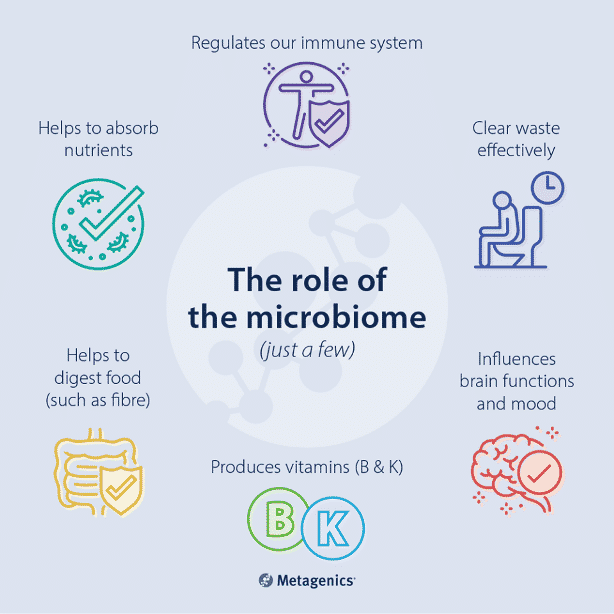
The ‘microbiome’ is a popular topic at the moment for anyone interested in their health and well being, but what exactly it is? You may have heard about the good bacteria living in your digestive system, and might have thought about taking a probiotic to support them. Your body contains an internal community of a massive 38 trillion microbes (not just bacteria), and this community is referred to as your commensal microbiome, or microbiome for short. The guts of it is, when your microbiome is healthy it helps make you healthier, and when it is unhealthy it makes you less healthy.
When healthy and balanced, your microbiome has a range of wide-reaching effects on your health, such as creating important vitamins you need, helping to control and boost your immune system, assisting with waste elimination through healthy bowel functions, and even affecting your mood and mental state.1
However, diet, lifestyle and other factors can reduce both the number and the diversity of these organisms in our gut. This can create an environment where pathogenic (disease causing) organisms have the opportunity to establish themselves and ‘take over’ parts of your digestive system. This state of imbalance is termed ‘dysbiosis’, and often results in a broad range of health issues, including digestive problems, nutrient deficiencies, or a compromised immune system (which can lead to food intolerances, allergies, or frequent infections).
The following are the most common diet and lifestyle factors that can have a negative impact on the health of your microbiome.
Avoiding or addressing the diet and lifestyle factors mentioned above is important for improving the health and diversity of your microbiome. However, perhaps the most important thing you can do to help, is to consume a diet rich in plant based fibres, which will provide a great food source for the beneficial organisms to flourish.
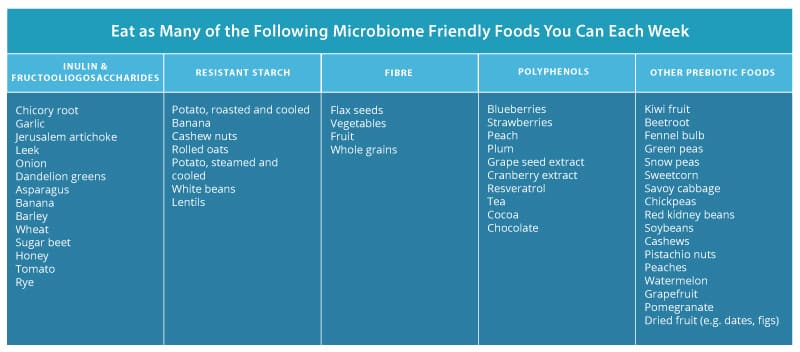
Figure 1: Foods that Feed Your Microbiome
If ‘bad’ (pathogenic) bacteria and other organisms have established in your gut and are creating dysbiosis, there are specific natural products to correct this. For example, antimicrobial herbal medicines can be used, including pomegranate (Punica granatum),5 nigella (Nigella sativa),6 and myrrh (Commiphora myrrha).7,8 These herbs work to eliminate unwanted organisms in the gut.
Then, to regenerate and rebuild the health and diversity of your microbiome, specific probiotic strains can be used. Some of these include
So even though diet, lifestyle or antibiotic use can upset your microbiome, there are plenty of natural medicines and diet options to restore it’s health as well, and improve the wellbeing of your whole body.
If you have any digestive or immune problems, or want to improve your mood or general health and well being, we offer a free Comprehensive Assessment, to establish what is going on in your body, what is causing the problem, and the best way to sort it out. (Terms and conditions- the Assessment is a completely free service, with no obligations whatsoever.) Please call us on 3376 6911 if you have any questions at all, or ring or book online if you would like to make an appointment.
References
The above table and much of the information in this article is from a Metagenics blog titled ‘5 Ways You Might Upset Your Gut Microbiome and What to Do About It’.
1. D’Argenio S. The role of the gut microbiome in the healthy adult status. Clinica Chimica Acta. 2015;451(Part A):97-102.
2. Buschman H, Bright D. Big Data from World’s Largest Citizen Science Microbiome Project Serves Food for Thought. [Internet]. San Diego (CA): UC San Diego School of Medicine. 2018 [cited 2018 July 05]. Available from: https://health.ucsd.edu/news/releases/Pages/2018-05-15-big-data-from-worlds-largest-citizen-science-microbiome-project-serves-food-for-thought.aspx
3. Engen PA, Green SJ, Voiqt RM, Forsyth CB, Keshavarzian A. The Gastrointestinal Microbiome: Alcohol Effects on the Composition of Intestinal Microbiota. Alcohol Res. 2015;37(2):223-36.
4. Guilliams TG. The role of stress and the HPA axis in chronic disease management. Point Institute, Stevens point (WI). 2015;80.
5. Abdel-Haffez E, Ahmed A, Abdellatif M, Kamal A, Toni N. The efficacy of pomegranate (Punica granatum) peel extract on experimentally infected rats with blastocystis spp. J Infect Dis Preve Med. 2016;4(1):1-6.
6. Salem EM, Yar T, Bamosa AO, Al-Quorain A, Yasawy MI, Alsulaiman RM, et al. Comparative study of Nigella sativa and triple therapy in eradication of Helicobacter pylori in patients with non-ulcer dyspepsia. Saudi J Gastroenterol. 2010 Jul;16(3):207.
7. Fathy FM. Effect of mirazid (Commiphora molmol) on experimental giardiasis. J Egypt Soc Parasitol. 2011 Apr;41(1):155-77.
8. Basyoni MM, El-Sabaa AA. Therapeutic potential of myrrh and ivermectin against experimental Trichinella spiralis infection in mice. Korean J Parasitol. 2013 Jun;51(3):297-304. doi: 10.3347/kjp.2013.51.3.297.
9. Moré M, Swidsinski A. Saccharomyces boulardii CNCM 1-745 supports regeneration of the intestinal microbiota after diarrheic dysbiosis – a review. Clinical and Experimental Gastroenterology. 2015;8:237-55.
10. Anderson JM, Barrangou R, Hachem MA, Lahtinen SJ, Goh YJ, Svensson B, et al. Transcriptional analysis of prebiotic uptake and catabolism by Lactobacillus acidophilus NCFM. PLos ONE. 2012;7(9):e44409.
11. Mäkeläinen H, Saarinen M, Stowell J, Rautonen N, Ouwehand AC. Xylo-oligosaccharides and lactitol promote the growth of Bifidobacterium lactis and Lactobacillus species in pure cultures. Benef Microbes. 2010 Jun;1(2):139-48.
 I am not a fan of over-the-counter products generally. These products are not designed to be prescribed, but are made to be safe for anyone to take (children, elderly, those with serious health issues, on strong medications, etc.). Because any effect is very mild, they usually have very little therapeutic benefit. The aim is to sell as many as possible, and they compete with other products on price and advertising. As quality is not important, some contain nutrients in a form that is difficult to absorb, or they may contain fillers or other additives.
Practitioner-prescribed products are designed to achieve the maximum therapeutic effect. They are only provided by a trained therapist after assessing the client and giving careful consideration to precisely what their body needs, including
The therapist then chooses the ideal product for them and the appropriate dosage. As a small example, if someone has arthritis, the therapist may prescribe a mixture of high-quality glucosamine and chondroitin sulphate to help rebuild the cartilage. However,
Practitioner-prescribed products are of the highest quality and compete with each other on their therapeutic benefit. Each company is constantly trying to come up with products that work more effectively than their competitors, which will then be prescribed more often.
To improve your health, or to get good results for any condition, you need the right diagnosis, the right treatment, and the right dosage. I don’t feel that over-the-counter products look after any of these properly.
As a result, we see far too many people spending lots of money on products that are not helping them at all.
If you would like to see if the products you are taking are improving your health or not (or even making it worse), or would like to find out what nutrients are important for you, please book in for a 15 minute Focus Consult with our naturopath (currently at the introductory price of only $15). Be well!
You may also be interested in reading Australian Natural Medicines Lead the World.

Valued at $120, your Assessment will help to uncover:
All this will be fully explained to you, and you can ask as many questions as you like. That way we can be sure to give you all of the right information, understanding and advice you need. Terms and conditions: This is a free, no obligation offer.