
Make an online booking here:
Book NowMary (not her real name) came to our clinic for treatment for her frozen shoulder. The pain was from the top of her shoulder to her upper arm, and was even more intense when she placed her hand behind her back. (She also felt stiff and sore in her left upper back and up into the back of her left neck.)
Frozen shoulder is the common term for shoulder adhesive capsulitis (SAC), which is also known as scapulohumeral periarthritis. It is due to a chronic inflammation of the shoulder joint causing pain and a restricted range of shoulder movements. The conventional treatments for SAC are cortisone injections, nonsteroidal anti-inflammatory drugs (NSAIDs), and physiotherapy. Unfortunately, none of these treatments are proven to be clearly effective for SAC in the long-term, and the majority of them often result in various side-effects.*
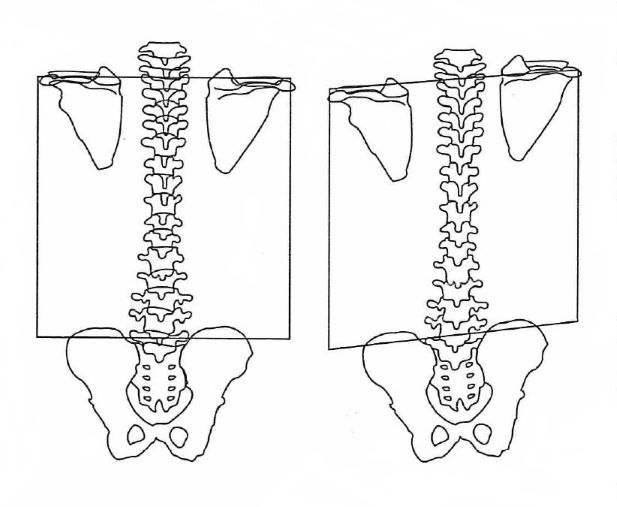
As with any musculoskeletal problem, I examined the alignment of Mary’s back and neck. I found that her left shoulder was a little higher than her right, and her left hip was also higher than the right.
In some styles of acupuncture, this pattern is known as a ‘4 Corner’ imbalance. The trunk of the body is roughly the shape of a rectangle, with the shoulders at the top corners and the hips at the bottom corners. If one of the corners of the rectangle is shifted, it will affect the other 3 corners as well. (See image.) Often a chain reaction will occur, where the muscles, tendons and ligaments in the other corners try to compensate for the distortion. This will often cause hip, lower back, shoulder or neck pain or stiffness.
In a 4 Corner imbalance, there will also be tight vertical muscle bands between the shoulder blades and spine. This was certainly the case with Mary, leading to a clear diagnosis of this condition. Acupuncture was used on specific points in each of her corners to loosen the contracted muscles which had created the shift, as well as the muscle tightness that resulted from the shift. This reduced Mary’s shoulder pain, and she was able to freely put her arm behind her back, which she was unable to do before. However she still had some pain in her shoulder, and the pain in her upper arm hadn’t changed.
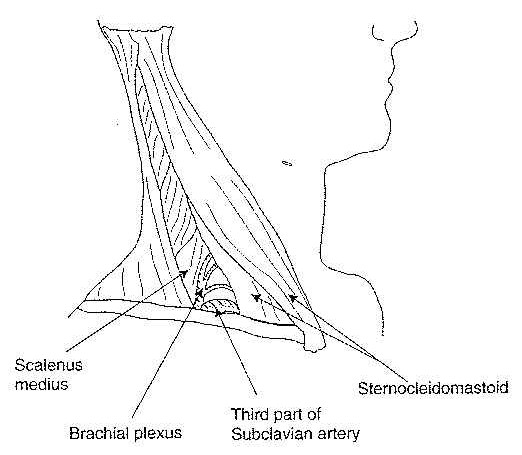
It is common for pain in the arm to be the result of tightness or pressure in the neck or shoulder, so these areas were re-examined on Mary. According to Gray’s Anatomy, compression of the subclavian or axillary blood vessels or brachial nerve plexus in the neck (by the scalenus or sternocleidomastoid (SCM) muscles) can cause pain in the arm. This is diagnosed by carefully feeling an area just behind the bottom of the SCM muscle in the neck. If this area is tight or tender, it is likely there is pressure on these nerves and blood vessels, resulting in pain in the arm or shoulder, and restricted range of the shoulder. This is a very common cause of frozen shoulder.
The diagnostic area was found to be quite tight and fairly tender in Mary’s case, so an acupuncture point St38 on the leg was used to relax the scalenus and SCM muscles, and take the pressure off the nerves and blood vessels into her shoulder and arm. After this her arm pain was much less, and the range of her shoulder was much greater.
It is common that there are several factors involved in any musculoskeletal problem. In Mary’s case, the combination of the 4 Corner imbalance and the compression of the nerves and blood vessels in the neck resulted in her frozen shoulder, and by treating both of these we were able to significantly improve her pain and range in a single treatment.
Disclaimer – Please be aware that each person’s body is different, so individual results may vary. If you have an appointment at our clinic, your therapist will conduct a detailed assessment of your condition, and they will be able to advise you on how successful your treatments are likely to be. A result is not promised and/or guaranteed from the act of receiving a treatment.
As with any condition, in order to get results it is crucial to first investigate the cause of the problem. We are currently offering a limited number of free Comprehensive Assessments. (Terms and conditions: the Assessment is a completely free service, with no obligations whatsoever.)
The Assessment helps to identify:
If you would like to book in for an Assessment, please give us a call on 3376 6911, or you can book online using the link at the top of the page.
Be well, and have a great life!
*https://www.ncbi.nlm.nih.gov/pmc/articles/PMC5937513/
(Illustrations from Kiiko Matsumoto’s Clinical Strategies Vol. 1)
Fibromyalgia is painful, often debilitating condition involving constant muscle pain over most of the body, strong fatigue, sleep problems, and often emotional and mental distress.
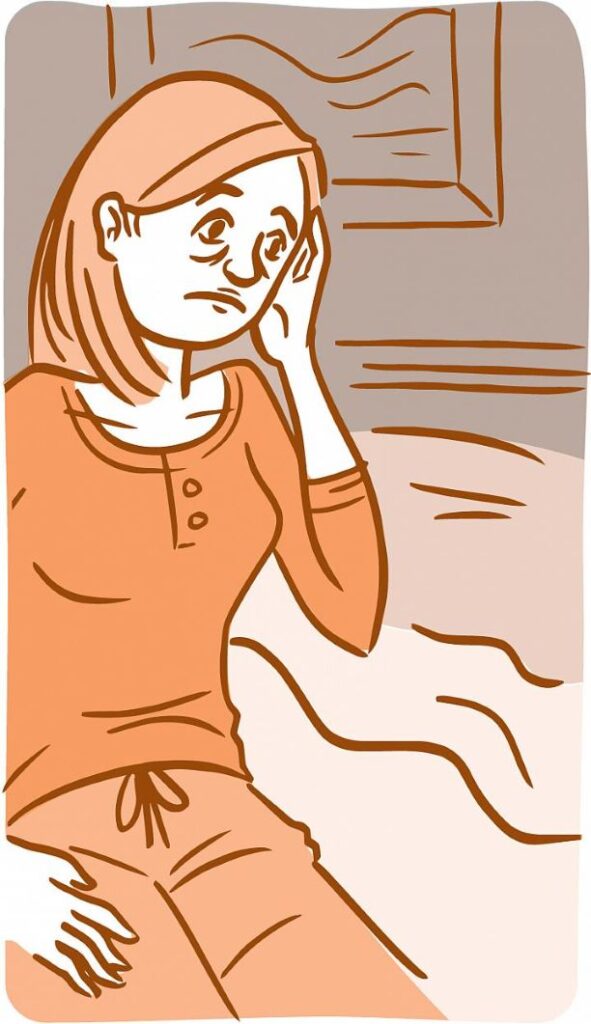
From a medical perspective, the cause of fibromyalgia is unknown, and very little can be done to relieve the symptoms.
A study by the world-renowned Mayo Clinic was conducted on 50 fibromyalgia patients to determine if acupuncture could be used as a treatment for their condition.
It found that the acupuncture treatments significantly improved their symptoms compared with the control group.
Please click here to read more about the research.
Disclaimer – Please be aware that each person’s body is different, so individual results may vary. If you have an appointment at our clinic, your therapist will conduct a detailed assessment of your condition, and they will be able to advise you on how successful your treatments are likely to be. A result is not promised and/or guaranteed from the act of receiving a treatment.
As with any condition, in order to get results it is crucial to first investigate the cause of the problem. We are currently offering a limited number of free Comprehensive Assessments. (Terms and conditions: the Assessment is a completely free service, with no obligations whatsoever.)
The Assessment helps to identify:
If you would like to book in for an Assessment, please give us a call on 3376 6911, or you can book online using the link at the top of the page.
Be well, and have a great life!
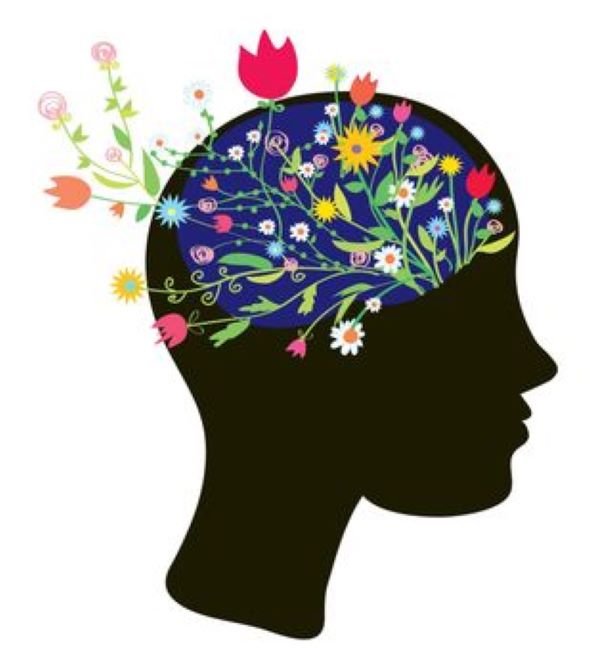
A study published in the ‘Brain Research’ journal investigated whether acupuncture treatments on the body produced any changes in brain function. They found that when a patient receives acupuncture treatment, it deactivates areas within the brain that are associated with the processing of pain.
Acupuncture is now recommended by the U.S. National Institute for Health and Clinical Excellence (NICE) as a treatment option for National Health Service patients with lower back pain. NICE guidelines now state that GPs should ‘consider offering a course of acupuncture comprising a maximum of 10 sessions over a period of up to 12 weeks’ for patients with this common condition.
Current clinical trials at the University of York are investigating the effectiveness and cost-effectiveness of acupuncture for Irritable Bowel Syndrome (IBS) and for depression. Recent studies in the US have also shown that acupuncture can be an effective treatment for migraines and osteoarthritis of the knee.
Please click here to read more about the research.
An extensive study by the University of Helsinki has found that one in four people in Europe use natural therapies (or ‘complementary and alternative medicine’) for their health issues.
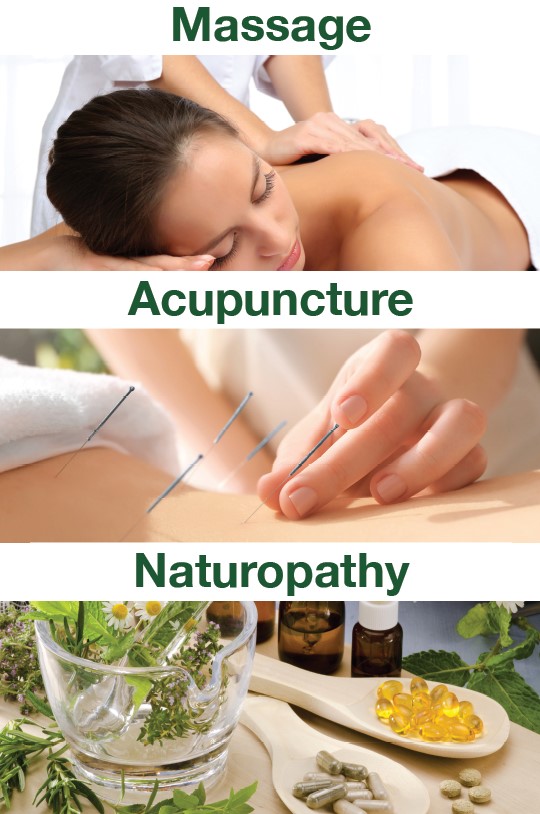
Approximately 40,000 people from over 20 countries participated in the study, and the most popular treatments were massage (12%), homeopathy (6%), osteopathy (5%), and herbal remedies (5%).
The study found that women and those with higher education used natural therapies the most. Germany had the highest proportion of users, with almost 40% saying they used natural therapies.
With any health issue, in order to get results it is crucial to first investigate the cause of the problem. We are currently offering a limited number of free Comprehensive Assessments. (Terms and conditions: the Assessment is a completely free service, with no obligations whatsoever.)
The Assessment helps to identify:
If you would like to book in for an Assessment, please give us a call on 3376 6911, or you can book online using the link at the top of the page.
Be well, and have a great life!

Acupuncture is well-known for its ability to relieve pain. But how does it do this, and is the benefit temporary or long term?
To get good results with any form of treatment, you need three things- correct diagnosis, correct treatment, and correct dosage. If all three are correct, the treatment will work well. However if the assessment is incorrect, the results won’t be good even if the treatment is great. So the acupuncturist will firstly need to check carefully what is causing your back pain.
The exact process of how acupuncture points work is still not fully understood, however they seem to act like tiny controls for the body that can be adjusted up or down to change the way the body is working. There are many hundreds of these points, and over thousands of years we have learnt how they alter and correct the body. With a skilled acupuncturist, there is very little or no sensation from the extremely fine needles, and many people find the treatments have a very relaxing effect.
Surprisingly, most acupuncture points are well away from the areas they treat. For example, an important point for stomach pain is on the shin, one for heart pain is on the wrist, and for sinus pain a point on the top of the foot is often used.
In a treatment, the most important points are those that treat the cause of the problem. These points are referred to as the ‘Root’ treatment. Sometimes, other points near the problem area are used to support the Root treatment, and this is called the ‘Branch’ treatment.
(Some of the many differences between acupuncture and dry needling include
The most common causes of back pain include alignment problems, inflammation, muscle tension or spasm, and tissue damage or injuries.
Alignment and Muscle Imbalances
Your back is designed to be strong and flexible at the same time. This makes it a very complex structure, with lots of different muscles all pulling in different directions. When the tension in all of these muscles is balanced, your back will work well and feel good. Think of the mast on an old sailing ship- if all of the ropes holding it up are correctly tensioned, the mast will be nice and strong, but if some ropes are too tight and some are too loose, the mast is much more likely to bend or crack or split when it is put under pressure.
The imbalances between the muscles can be due to a variety of causes, including poor posture, repetitive movements using only some of the muscles (such as from sports, cleaning, or work activities), injuries, lack of physical activity, etc. The most common ways these imbalances affect your back is by changing the alignment of your pelvis (hips), your spine, or your whole torso.
Pelvis Alignment
Your pelvis is the foundation of your entire back, so if one hip is higher than the other or if the pelvis is slightly twisted, it can cause pain in a variety of places in your back. (Imagine the foundation of a house being uneven, causing the walls to start cracking.) A pelvis imbalance will often affect the base of your spine, where the spine attaches to your pelvis.
Spinal Alignment
The spine contains many small vertebrae to make it nice and flexible. However this means it can easily become crooked by muscles pulling on it unevenly.
Torso Alignment
Your shoulders tend to follow your hips, so if one hip is too high the shoulder above it will often be too high as well. (See A Common Cause of Back, Neck & Shoulder Problems for more details.)
Pelvis Alignment
One of the best acupuncture points for this type of back pain is called Ki9, which is about 2/3 down the inside of the calf, where the main part of the calf muscle stops. Often the hips will visibly be far more level and aligned after using this point.
Spinal Alignment
If the spine is bent to one side or the vertebrae are sitting unevenly on top of each other, the acupuncture point GB39 is very important. This point is about one hand-span above the outside ankle, and if the back pain is caused by this type of alignment problem, it can work very well to resolve the pain.
Torso Alignment
In some ways, the trunk or torso can be viewed as a rectangle, with the hips and shoulders forming the corners. If one of these corners has shifted, it will often affect the other 3 corners as well. For example, if the left hip is tilted down the right hip will be tilted up, and this may cause the shoulders to go out of alignment as well. (So if someone has a shoulder problem, it might be due to a misalignment of one of their hips, or vice-versa.)
Pain caused by this condition is treated by using specific points at all of the four ‘corners’, correcting the torso alignment and relieving the pain.
We often have clients come to us saying that they saw a very good physiotherapist, chiropractor, massage therapist, etc, and despite their best efforts the pain hasn’t improved. Often in these cases we find there is a lot of inflammation involved, and once the inflammation is cleared the pain is relieved. (Note that inflammation can still be an issue even when anti-inflammatory medication doesn’t help.)
The main points for inflammation in the lower back are on the little toe- Bl66 and Bl67. If the pain is more in the hips or buttocks, GB43 and GB44 on the second toe are used instead.
In most cases, treating the alignment issues will cause the release of the muscle tension or spasm in the back. If there is still some tightness or soreness left after this, there are a variety of points on the legs that can be used.
Bone Pain– if the pain is due to a bone problem, Ki7 is the major point to treat it. This point is located in a hollow above the inside ankle bone. (Sometimes this point is very effective for arthritis as well., even though arthritis is more of a joint problem.)
Muscle Pain– Sp3.2 is the most effective point for pain caused by damaged muscles, such as a muscle tear. (Different points are usually used for muscles that are sore from being very tight.) The point is on the inside of the foot, just before the bump near the bottom of the big toe.
Tendons and Ligament Pain– Liv8 is used for pain from any connective tissue damage, such as a badly sprained ankle or a torn ligament. This point is just above the end of the crease on the inside of the leg that appears when the knee is bent.
Disc Pain– if from a damaged disc, Ren12 can often be quite effective in relieving the pain. Ren12 is midway between the bottom of the sternum and the navel.
Nerve Damage Pain– most of the time nerve pain is treated by relieving the pressure on the nerve. However if the pain is due to actual damage to the nerve, Lu8 is usually the best point to relieve the pain. This point is on the inside of the wrist, about 1 cm below the thumb.
As you can see, an acupuncture treatment can involve a variety of factors. A skilled Brisbane acupuncturist can quickly get to the cause of the problem, and start the process of relieving the pain and helping the tissues heal and repair.
If you suffer from back pain, we offer a free Comprehensive Assessment, to investigate what is causing the problem and the best way to fix it. (Terms and conditions- the Assessment is a completely free service, with no obligations whatsoever.) Most people find their Assessment to be very helpful and informative.
Be well, and have a great life!
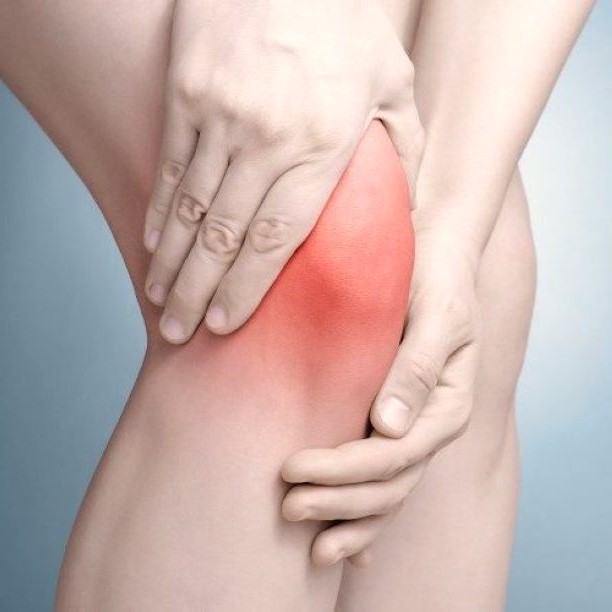
Acupuncture is well-known for its ability to reduce or completely resolve pain. However there is much more to it than sticking a few very fine needles in at random. A good acupuncturist will have a detailed knowledge of the anatomy and physiology of the knee. They will understand how the knee works, what problems can develop, and how those problems are caused. Without treating the causes of the problem, there will be little or no improvement, or the improvement will only be temporary.
So to treat a knee problem effectively, the acupuncturist needs to carefully check
Some joints in the body, such as the shoulder, are very versatile and allow movement in many directions. In some ways the knee joint is much simpler, as it can only bend backwards and forwards.
This makes the knee is very strong in this direction, however it makes it susceptible to damage from being twisted or bent to the side. The majority of knee problems we treat are the result of one or both of these forces, and they are usually caused by misalignment of a foot or of the pelvis.
How the Feet Can Cause Knee Pain
Incorrect alignment of your foot can cause a significant effect on your knee. To see this, try standing up with no shoes, and check the position of your knees. Then roll your feet outward so you are standing on the outsides of your feet, and you will see that your knees bend out as well. And if you roll your feet inward, you will see that your knees will also bend in.
Because the knee is quite a sturdy joint, it will normally cope with this strain and uneven pressure for some time, but eventually damage will start to occur and pain will develop.
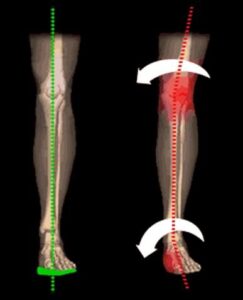
Old ankle injuries can also affect your knees. Sometimes a sprained ankle does not heal quite as well as it should, and even though there is no pain at the ankle itself, the body knows there is still a weakness there, and will slightly favour that foot. This can cause you to walk very slightly unevenly and put a little more of your weight on the other foot. The alignment of the knee above it is affected, which over time can cause pain. (So if someone comes to see us for right knee pain, we need to check their left ankle for any old injuries.)
How the Hips Can Cause Knee Pain
It is surprising how many people have a misalignment of their pelvis. In some ways your hips are like a see-saw; if one side is too high the other will be too low. (Or if one is too far forward, the other will be too far back.) This also puts uneven pressure on the knee joint and often ends up causing pain.
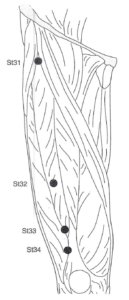
Sometimes the muscles above or below the knee can be too tight or too weak, causing the knee to be pulled unevenly. As an example, pain at the top or bottom of the knee is often caused by the muscle just to the outside of the shin bone. One of the best ways to treat this type of knee pain is to use a combination of 3 acupuncture points along this shin muscle.
Specific acupuncture points on the thigh muscles are used to treat pain which is caused or aggravated by different factors. In the diagram,
(Diagram from ‘Clinical Strategies’ Vol.1 by Kiiko Matsumoto.)
It is also very important for the acupuncturist to check the level of inflammation in the knee, as often knee problems don’t improve (or don’t completely improve) if there is still inflammation there. Sometimes the inflammation is obvious- the knee may feel warm, swollen, or improves with anti-inflammatories or ice, but at other times the inflammation may not be obvious. There are 4 acupuncture points on the feet known as ‘Fire Points’ that the acupuncturist can press, and if any are tender it tells them there is still inflammation occurring, and where it is in the knee.
Acupuncture is very good at treating knee pain generally, however if there is any arthritis or degeneration in the joint, it is best to have this treated by an experienced naturopath as well, to help the tissues heal and repair.
This has been a brief summary of some of the areas that need to be addressed to resolve a knee pain issue. If you have a knee problem or any other health issue, you are welcome to book in for a free Comprehensive Assessment at our clinic. We can then have a close look at what is going on, what has caused the problem, and the best way to sort it out. (Terms and conditions- the Assessment is completely free, with no obligations whatsoever.)
Be well, and have a great life!

A study of 17,000 women by the University of Technology, Sydney, found that in one year acupuncture was used by around 1 in 10 women aged 34-39 years, and around 1 in 16 women aged 62-67 years.
A large proportion of the younger women had been diagnosed with endometriosis, low iron levels, anxiety disorder or Chronic Fatigue Syndrome.
Women in the middle-aged group who consulted an acupuncturist were more likely to have low iron levels, anxiety disorder, depression, Chronic Fatigue Syndrome or arthritis.
If you have a health issue you are wanting to sort out, we suggest booking in for a Comprehensive Assessment at our clinic. We can then have an in-depth look at what is happening in your body, what is causing the problem, and what can be done to sort it out. (Terms and conditions- the Assessment is a completely free service, with no obligations whatsoever.) Most people find their assessment to be very helpful, interesting and informative.
Most people are familiar with acupuncture, where very fine filaments (‘acupuncture needles’) are inserted into specific acupuncture points on the skin to relieve pain or otherwise help sort out health disorders. (Performed correctly, with Japanese style acupuncture there is no discomfort when this is done, and most people find their treatments to be comfortable and relaxing.) However, not many people would know that the most concentrated area in the body for acupuncture points is the ears. So far we have discovered over 200 points in this small area, so it takes an experienced therapist to locate and treat them properly.
As there are so many points here, almost any part of the body can be treated just using the ears. Here is a small selection of some of the points and areas in the ear.
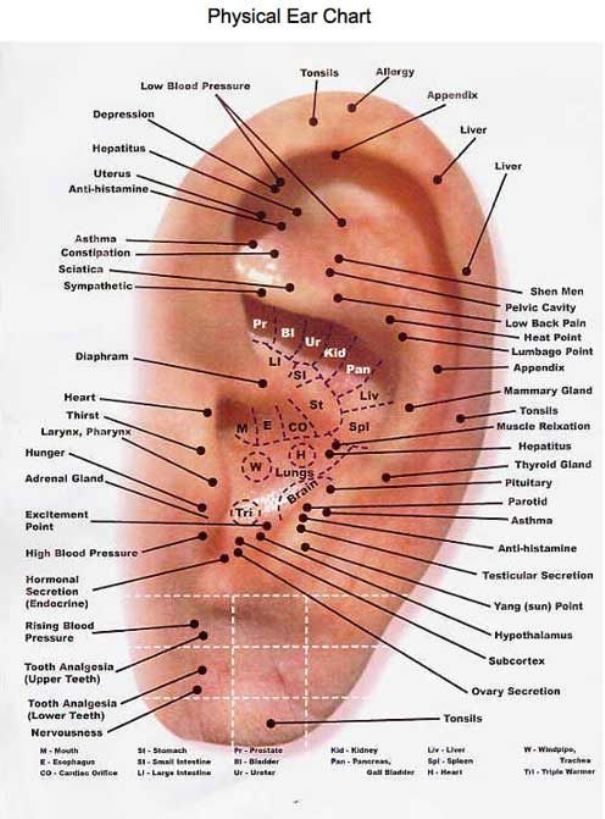
 Locations of Ear Points
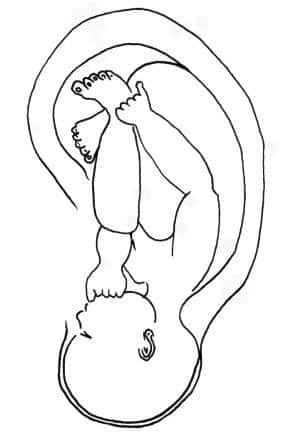
Interestingly the ear has been described as being similar to an inverted foetus, and most of the acupuncture points in the ear match this model. For example,
Ear points are most often used as part of a regular acupuncture treatment with points on the body as well. However, occasionally they might be used on their own.
The jury is still out on this, but the experience of many senior acupuncturists is that there is a very slim chance that ear piercing may result in a negative effect on the body. For example, on very rare occasions piercing the eye point on the lobe has caused a sudden deterioration of that person’s vision. To avoid any problems, we suggest
In the hands of an experienced therapist, auricular (ear) acupuncture points can be powerful tools to relieve pain and resolve health disorders, and as you can see the range of conditions that can be treated is very extensive. We are here to help, so if you have any questions about ear acupuncture or any health issue you may have, please feel free to get in touch.
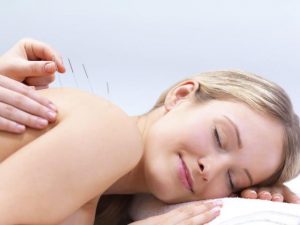 Considerable evidence exists for the benefits of acupuncture in the management of pain, and especially chronic pain. Some Australian emergency departments already offer acupuncture when trained staff are available, and several Brisbane hospitals provide acupuncture treatments in a limited capacity. Acupuncture is used in many hospitals in western countries such as the United Kingdom, USA, and Sweden, and it is of course widely used in hospitals in many Asian countries, especially China. (There is a hospital in Japan which ONLY uses acupuncture.)
The withdrawal of codeine as an over the counter medication, and the potential opioid crisis, have made acupuncture an even more attractive treatment.
As a result, The Chief Medical Officer has recommended an application be made to the federal Minister for Health for acupuncture to be included in the Chronic Disease Management Program. Under this Program, doctors can refer a patient to an allied health therapist, and Medicare covers part of the cost of the treatment.
Some of the advantages of acupuncture in resolving pain are
As pharmaceutical drugs kill many more Australians than heroin does, these are important considerations.
The wheels of government turn slowly, but hopefully acupuncture will be included under Medicare soon. This would be fantastic news to all our clients who come to us to resolve their pain.

Did you know that acupuncture is the second most-used therapy on earth? It has been used for thousands of years on billions of people throughout the world.
Despite extensive research, the exact mechanism of how acupuncture works is still unknown. One of the areas acupuncture is best-known for is resolving pain, and in this regard it may be the result of
or a combination of these.
However, acupuncture is used for many conditions other than pain. On a more general level, one of the best ways to understand how acupuncture works is to think of the acupuncture points as tiny controls for the body, that can be turned up or down to adjust the way the body is behaving. There are many hundreds of these points, and over thousands of years we have learnt the ways they influence the body.
Acupuncture is known for resolving pain, however this is only the tip of the iceberg in terms of what conditions it can treat. As a small sample, is has been proven to be effective for anxiety, fatigue and nausea related to many chronic diseases, hayfever, morning sickness, etc. Many health practitioners may also recommend acupuncture as an adjunct treatment that may assist with IVF.
Acupuncturists as Health Professionals
As a result, acupuncturists are coming to be recognised as genuine health professionals.
Health Funds
The federal government performed a review of the evidence of effectiveness for all natural therapies, and in 2019 stopped health funds from covering any natural therapies except acupuncture, Chinese herbal medicine, remedial massage, and myotherapy, as there was strong evidence for the effectiveness of these treatments. (An appeal has been lodged in relation to naturopathy, as the latest evidence was not used in this regard, and naturopathy is likely to be also added to therapies health funds can cover.)
GST Exempt
Medical services are exempt from GST, and acupuncture, naturopathy and herbal medicine are all specifically listed as exempt services in the GST Act.
Hospitals
Acupuncture is of course widely used in hospitals in many Asian countries, especially China. (There is a hospital in Japan which only uses acupuncture.) However it is also used in many hospitals in western countries such as the United Kingdom, USA, Sweden, and in some hospitals in a limited capacity in Australia (including 2 in Brisbane).
Acupuncture to be Covered under Medicare?
The Australian Acupuncture and Chinese Medicine Association (AACMA) has approached the federal government to include acupuncture in the Chronic Disease Management Program. Under this Program, doctors can refer a patient to an allied health therapist, and Medicare covers part of the cost of the treatment.
Considerable research evidence was provided to the Chief Medical Officer on the management of pain by acupuncture, and especially chronic pain. As a result, he has recommended an application to the Federal Minister for Health for acupuncture to be included. So as a proven drug free alternative, acupuncture is being looked at favourably for the management of pain. The withdrawal of codeine as an over the counter medication, and the potential opioid crisis, have each made acupuncture an even more attractive option.
The earliest written records of acupuncture are around 200 BC, making it one of the oldest health care systems in the world. However there is some evidence that the practice is much older than that. Sharpened stones and long sharpened bones appear to have been used around 6,000 BC for acupuncture treatment.
Also, the body of a 5,300 year-old man was discovered frozen in the Italian Alps in 1991. ‘Otzi’ was covered with 61 tattoos (including dot-like points around joints), which some researchers believe may have been used as an early form of acupuncture. Some lines and dots were directly over areas which suffered from degenerative diseases, and many corresponded to traditional acupuncture points. So a simple form of acupuncture may have been practiced in Europe over 5,000 years ago.
There are 2 main styles- Japanese and Chinese acupuncture. The Japanese style
All of our acupuncturists use the Japanese style, We also only use the finest quality, pre-sterilised, disposable needles, which are made in Japan rather than in China. (These needles are hair-thin and designed for maximum comfort as well as effectiveness.)
If you have a health issue and would like to find out if acupuncture can resolve it, we offer a free Comprehensive Assessment. (Terms and conditions- the Assessment is a completely free service, with no obligations whatsoever.) Please call us on 3376 6911 if you have any questions at all, or ring or book online if you would like to make an appointment.

Valued at $120, your Assessment will help to uncover:
All this will be fully explained to you, and you can ask as many questions as you like. That way we can be sure to give you all of the right information, understanding and advice you need. Terms and conditions: This is a free, no obligation offer.